
There's nothing quite like the smell of freshly baked bread filling your kitchen. This regular bread recipe is my go-to for a soft, tender loaf that works for everything from sandwiches to toast. It's a straightforward yeast bread that doesn't require any special equipment or complicated techniques.
Advertisements1
I've tested this recipe countless times to get the perfect balance of a crisp crust and a pillowy interior. The key is using the right hydration and giving the dough enough time to develop flavor. Whether you're a beginner or a seasoned baker, this recipe will give you consistent results every time.
Let's get started. I'll walk you through each step, including exact temperatures and times, so you can bake with confidence.
Why You'll Love This Recipe
About the Ingredients
4 cups (500g) all-purpose flour
Use a good-quality all-purpose flour. Bread flour will give a chewier texture, but all-purpose works great. If you're in a pinch, you can use 3 cups all-purpose + 1 cup whole wheat, but expect a denser loaf.
2 teaspoons active dry yeast
Active dry yeast needs to be proofed in warm water. If you use instant yeast, you can mix it directly with the flour, but you'll need to reduce the water by 1/4 cup and skip the proofing step.
2 tablespoons sugar
Sugar feeds the yeast and adds a touch of sweetness. You can substitute honey or maple syrup, but reduce the water by 2 tablespoons to compensate for the extra liquid.
2 teaspoons salt
Salt controls yeast activity and enhances flavor. Use fine sea salt or table salt. If using kosher salt, you may need to increase the amount slightly.
2 tablespoons unsalted butter, softened
Butter adds richness and tenderness. You can substitute olive oil or vegetable oil for a dairy-free version, but the flavor will change slightly.
1 1/2 cups (355ml) warm water (110°F/43°C)
The water temperature is crucial: too hot kills the yeast, too cold slows it down. Use a thermometer to be precise. If you don't have one, it should feel like warm bath water.
Tips & Tricks
Don't skip the second rise
This develops flavor and structure. If you skip it, the bread will be denser and less flavorful.
- Ensure your water is at the right temperature: Too hot (above 130°F/54°C) will kill the yeast, and too cold (below 70°F/21°C) will slow rise. Use a thermometer for accuracy.
- Knead until the dough is smooth and elastic: Under-kneading results in a dense loaf. The dough should pass the windowpane test: stretch a small piece thin enough to see light through without tearing.
Pro Tips
Step-by-Step Instructions
1. Proof the yeast
In a small bowl, combine the warm water and sugar. Sprinkle the yeast over the top and let it sit for 5-10 minutes until frothy. If it doesn't foam, your yeast is inactive, and you'll need to start over.
2. Mix the dough
In a large mixing bowl, whisk together the flour and salt. Add the yeast mixture and softened butter. Stir with a wooden spoon until a shaggy dough forms.
3. Knead the dough
Turn the dough out onto a lightly floured surface. Knead for 8-10 minutes until smooth and elastic. The dough should be slightly tacky but not sticky. If it's too sticky, add a little flour, one tablespoon at a time.
4. First rise
Place the dough in a lightly oiled bowl, turning to coat. Cover with plastic wrap or a damp towel and let rise in a warm, draft-free place for 1-1.5 hours, or until doubled in size.
5. Shape the loaf
Punch down the dough to release air. On a lightly floured surface, shape it into a rectangle and roll it up tightly, pinching the seams. Place it seam-side down in a greased 9×5-inch loaf pan.
6. Second rise
Cover the pan with a damp towel and let rise for 30-45 minutes, or until the dough has risen about 1 inch above the pan rim. It should spring back when poked gently.
7. Preheat the oven
While the dough is rising, preheat your oven to 375°F (190°C). If you want a crisp crust, place a baking pan with water on the bottom rack.
8. Bake the bread
Bake for 30-35 minutes, or until the top is golden brown and the loaf sounds hollow when tapped on the bottom. The internal temperature should read 190°F (88°C) on an instant-read thermometer.
9. Cool and slice
Remove the bread from the pan immediately and let it cool completely on a wire rack. Resist the temptation to slice it while warm, or it will be gummy. Once cool, slice with a serrated knife.
Delicious Variations
Whole Wheat
Replace 2 cups of all-purpose flour with whole wheat flour and increase the water to 1 3/4 cups. Add 2 tablespoons of vital wheat gluten for a better rise.
Herb and Garlic
Add 1 tablespoon of dried rosemary, 1 teaspoon of garlic powder, and 1/2 teaspoon of black pepper to the flour mixture before mixing.
Cinnamon Raisin
Add 1 tablespoon of ground cinnamon and 1 cup of raisins to the dough during the final kneading. Increase the sugar to 1/4 cup.
How to Store Regular Bread Recipe
Refrigerator
Store in an airtight container or bread box at room temperature for up to 3 days. For longer storage, refrigerate for up to a week, but the texture may become slightly dry.
Freezer
Wrap the cooled loaf tightly in plastic wrap and then in aluminum foil. Freeze for up to 3 months. Thaw at room temperature for about 2 hours before serving.
Reheating
To refresh a stale loaf, wrap it in foil and heat in a 350°F (175°C) oven for 10-15 minutes. Or slice and toast as needed.
Frequently Asked Questions
Q: Can I use instant yeast instead of active dry yeast?
Yes, you can substitute instant yeast directly. Use the same amount, but skip the proofing step and mix it with the flour. Reduce the water by 1/4 cup and expect a slightly faster rise.
Q: Why is my bread dense and heavy?
A dense loaf usually results from under-kneading, insufficient rising time, or using too much flour. Ensure you knead until the dough is elastic and let it rise until doubled. Also, measure flour by weight if possible.
Q: How do I know when the bread is done?
The bread is done when it's golden brown on top, sounds hollow when tapped on the bottom, and reaches an internal temperature of 190°F (88°C). Use an instant-read thermometer for accuracy.
Q: Can I make this bread without a loaf pan?
Yes, you can shape the dough into a round or oval and bake it on a parchment-lined baking sheet. This is called a freeform loaf. Reduce the baking time by 5-10 minutes and check for doneness.
Q: Can I add whole wheat flour?
Yes, you can replace up to half of the all-purpose flour with whole wheat flour. You'll need to add a bit more water (about 2-3 tablespoons) and increase the kneading time to develop gluten.
I hope you enjoy baking this regular bread as much as I do. If you have any questions or variations you've tried, leave a comment below. Happy baking! And remember, stay safe, stay informed.
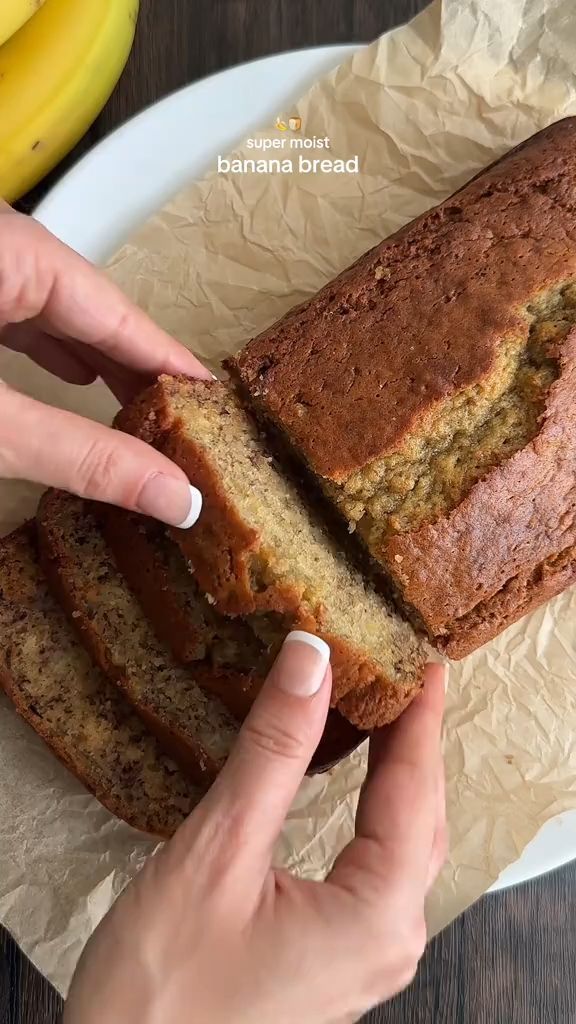
Regular Bread Recipe
Learn to bake a soft, versatile regular bread loaf with this easy step-by-step recipe, perfect for sandwiches and toast.
🧂 Ingredients
- 4 cups (500g) all-purpose flour
- 2 teaspoons active dry yeast
- 2 tablespoons sugar
- 2 teaspoons salt
- 2 tablespoons unsalted butter, softened
- 1 1/2 cups (355ml) warm water (110°F/43°C)
📋 Instructions
- 1Proof the yeast — In a small bowl, combine the warm water and sugar. Sprinkle the yeast over the top and let it sit for 5-10 minutes until frothy. If it doesn't foam, your yeast is inactive, and you'll need to start over.
- 2Mix the dough — In a large mixing bowl, whisk together the flour and salt. Add the yeast mixture and softened butter. Stir with a wooden spoon until a shaggy dough forms.
- 3Knead the dough — Turn the dough out onto a lightly floured surface. Knead for 8-10 minutes until smooth and elastic. The dough should be slightly tacky but not sticky. If it's too sticky, add a little flour, one tablespoon at a time.
- 4First rise — Place the dough in a lightly oiled bowl, turning to coat. Cover with plastic wrap or a damp towel and let rise in a warm, draft-free place for 1-1.5 hours, or until doubled in size.
- 5Shape the loaf — Punch down the dough to release air. On a lightly floured surface, shape it into a rectangle and roll it up tightly, pinching the seams. Place it seam-side down in a greased 9×5-inch loaf pan.
- 6Second rise — Cover the pan with a damp towel and let rise for 30-45 minutes, or until the dough has risen about 1 inch above the pan rim. It should spring back when poked gently.
- 7Preheat the oven — While the dough is rising, preheat your oven to 375°F (190°C). If you want a crisp crust, place a baking pan with water on the bottom rack.
- 8Bake the bread — Bake for 30-35 minutes, or until the top is golden brown and the loaf sounds hollow when tapped on the bottom. The internal temperature should read 190°F (88°C) on an instant-read thermometer.
- 9Cool and slice — Remove the bread from the pan immediately and let it cool completely on a wire rack. Resist the temptation to slice it while warm, or it will be gummy. Once cool, slice with a serrated knife.

Jonas writes about technology and digital privacy, translating complex concepts into clear, actionable advice for everyday users. He focuses on practical steps to protect personal data without being paranoid.