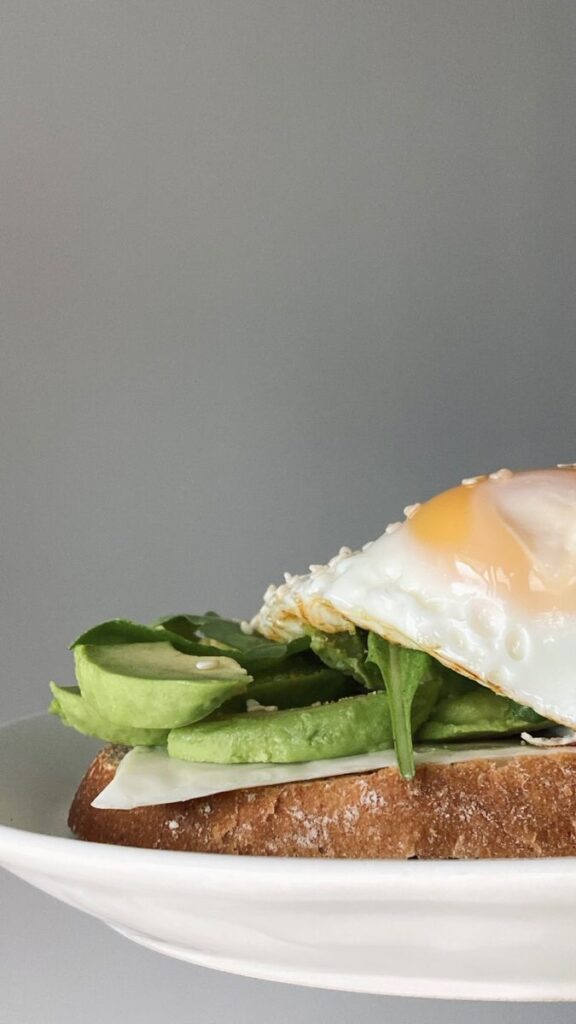
Minimalist Aesthetic Food Platter is not a single recipe you cook in one pot. It is a system: a deliberate arrangement of a few clean-tasting components on a neutral surface, built so the food looks quiet, balanced, and intentional in a photograph and still tastes good at room temperature. Think of it as layout work with calories.
Advertisements1
The core idea comes from minimalist food photography aesthetics: lots of negative space, one dominant color, low-contrast props, and soft directional light. In practical terms, you cook three or four simple elements, cool them to room temperature, and plate them in distinct zones instead of piling everything together.
In this guide I give you exact oven temperatures in Fahrenheit and Celsius, exact times, and sensory cues so you know when each element is done. I also flag the three mistakes that ruin most aesthetic platters: overcrowding, wet ingredients, and harsh overhead light. Stay safe, stay informed.
Why You'll Love This Recipe
About the Ingredients
6 large eggs (about 300g), room temperature
Room-temperature eggs peel far more cleanly than cold ones. If you only have cold eggs, add 1 minute to the boil time rather than starting them warm in the pot.
1 lb (450g) baby gold potatoes, halved
Baby golds hold shape and stay creamy; Yukon Gold cut into 1-inch chunks works as a direct substitute. Avoid waxy red potatoes here, they turn glassy when roasted.
2 tbsp (30ml) olive oil, plus more for drizzling
Use a mild, buttery extra-virgin for the drizzle and a cheaper oil for roasting. If the oil tastes peppery and bitter, it will dominate the plate, so taste it first.
1 cup (240g) plain whole-milk Greek yogurt
Full-fat Greek yogurt gives the thick, smearable base that holds a clean edge on the plate. For a dairy-free version, use unsweetened thick coconut yogurt and add 1 tsp lemon juice.
1 tbsp (15ml) fresh lemon juice
Fresh juice keeps the yogurt sauce bright; bottled juice tastes flat and metallic. One medium lemon yields roughly 3 tbsp, so buy two if you also want wedges for garnish.
1 tsp flaky sea salt, plus more to finish
Flaky salt dissolves slowly and gives visible sparkle on the plate. Fine table salt works for cooking, but keep the flaky kind for the final sprinkle.
1/2 tsp freshly cracked black pepper
Crack it right before serving, since pre-ground pepper loses its aroma within days. A coarse grind reads better in photos than a fine dust.
2 tbsp (8g) fresh dill or chives, finely chopped
Soft herbs wilt fast, so chop them last and keep them cold until plating. Flat-leaf parsley is the safest substitute if dill is too strong for your taste.
1 avocado, halved and sliced
Pick an avocado that gives slightly under thumb pressure. If it is rock hard, buy it two days ahead; a ripe avocado browns within 30 minutes of slicing, so cut it last.
1 tbsp (15ml) toasted sesame seeds
Toast them in a dry pan over medium heat for 2 to 3 minutes until they smell nutty, then cool completely. Pre-toasted seeds from the store are fine but check the date.
Tips & Tricks
Do Not Overcrowd The Surface
Leave at least 30 percent of the plate empty. Negative space is what makes the layout read as minimal rather than messy.
Pat Everything Dry
Moisture creates shiny puddles that photograph as greasy spots. Blot roasted potatoes and sliced avocado with paper towel before plating.
Cool Before You Plate
Steam fogs the lens and wilts herbs. Let every cooked element reach room temperature, roughly 15 minutes, before it touches the plate.
Shoot At A Low Angle
Place your light source to one side and shoot slightly above the surface. Straight-down overhead light flattens texture and kills the shadows that give depth.
Pro Tips
Step-by-Step Instructions
1. Boil The Eggs
Place the eggs in a single layer in a saucepan and cover with cold water by 1 inch. Bring to a rolling boil over high heat, then cut the heat to low and simmer for exactly 9 minutes at 96C (205F) for a set white and a slightly soft yolk. Transfer immediately to an ice bath for 5 minutes, then peel under cool running water.
2. Roast The Potatoes
Heat the oven to 425F (220C). Toss the halved potatoes with 2 tbsp olive oil, 1/2 tsp salt, and the black pepper, then spread them cut-side down on a sheet pan with space between each piece. Roast for 22 to 25 minutes until the cut faces are deep golden brown and a knife slides in with no resistance.
3. Whisk The Yogurt Base
Stir the Greek yogurt with the lemon juice and a pinch of salt until it is smooth and glossy, about 30 seconds. If it looks thick or lumpy, add water 1 tsp at a time until it spreads easily but still holds a soft ridge.
4. Toast The Sesame
Warm a dry skillet over medium heat and add the sesame seeds in a single layer. Toast for 2 to 3 minutes, shaking the pan, until they turn light tan and smell nutty. Pour them onto a cool plate immediately so they stop cooking.
5. Slice And Chill The Avocado
Halve the avocado, remove the pit, and slice each half into 1/4-inch planks without cutting through the skin, then scoop with a spoon. Squeeze a few drops of lemon over the slices and hold them in the fridge until the final minute.
6. Build The Zones
Spread the yogurt sauce in a wide, low swoosh on one third of a large matte plate. Arrange the potatoes in a tight cluster beside it, then the halved eggs in a third zone, leaving the remaining space empty. Keep at least a finger-width of bare plate between each zone.
7. Finish And Photograph
Scatter the herbs over the yogurt, add the avocado planks, and finish with flaky salt and toasted sesame. Place your light source to one side, shoot from a slight angle, then serve within 20 minutes. Stay safe, stay informed.
Delicious Variations
Smoked Salmon Version
Replace two eggs with 4 oz (115g) cold-smoked salmon folded into loose ribbons, and add capers for a briny accent.
Mediterranean Version
Swap the dill for oregano, add 1/2 cup (75g) drained chickpeas, and drizzle with 1 tbsp tahini thinned with water.
Autumn Version
Roast 1 cup (140g) cubed butternut squash alongside the potatoes and replace the lemon with 1 tsp maple syrup in the yogurt.
How to Store Minimalist Aesthetic Food Platter
Refrigerator
Store each component separately in airtight containers for up to 3 days. Keep the avocado whole and unsliced, and store the yogurt sauce in a small jar so it does not pick up onion or egg odors.
Freezer
Freeze only the roasted potatoes, in a single layer on a tray for 2 hours, then bag them for up to 2 months. Do not freeze the boiled eggs, avocado, or yogurt sauce, as all three turn rubbery or watery.
Reheating
Reheat the potatoes on a sheet pan at 400F (205C) for 8 to 10 minutes until crisp at the edges. Serve the eggs, avocado, and yogurt sauce cold straight from the fridge.
Frequently Asked Questions
Q: Can I make an aesthetic food platter ahead of time?
Yes, you can prep every component up to 24 hours ahead and assemble in 10 minutes. Boil and peel the eggs, roast the potatoes, and mix the yogurt sauce the day before, then slice the avocado and chop the herbs right before plating. Keep the avocado whole until the last moment so it does not brown.
Q: Why does my food platter look messy in photos?
It usually looks messy because the ingredients are touching and the plate is overcrowded. Leave at least 30 percent of the surface empty, keep a clear gap between each zone, and remove any garnish that does not earn its space. Fewer items arranged with intent always beat more items piled together.
Q: What is the best lighting for minimalist food photography?
Soft, directional side light from a window is the best and cheapest option. Place the plate so the light hits it from the left or right rather than from above, and use a sheet of white paper opposite the window as a bounce card to lift the shadows. Avoid direct overhead bulbs, which create harsh highlights on glossy surfaces.
Q: How long can this platter sit out at room temperature?
Two hours is the safe limit for food left at room temperature, including the eggs, yogurt sauce, and avocado. If your room is warmer than 90F (32C), cut that to one hour. For longer events, set the plate over a shallow bowl of ice or keep a backup portion in the fridge and refresh the plate in stages.
Q: Can I make this platter vegan?
Yes, swap the eggs for 1 cup (150g) drained chickpeas and use a thick unsweetened coconut yogurt in place of the Greek yogurt. Add 1 tsp lemon juice and a pinch of salt to the coconut yogurt so it tastes savory rather than sweet. The potatoes, avocado, sesame, and herbs are already fully plant-based.
Build the plate in zones, cool everything first, and shoot it with side light before you eat. If you try this layout, tell me which zone carried your hero color, and I will suggest a seasonal swap for next time. Stay safe, stay informed.
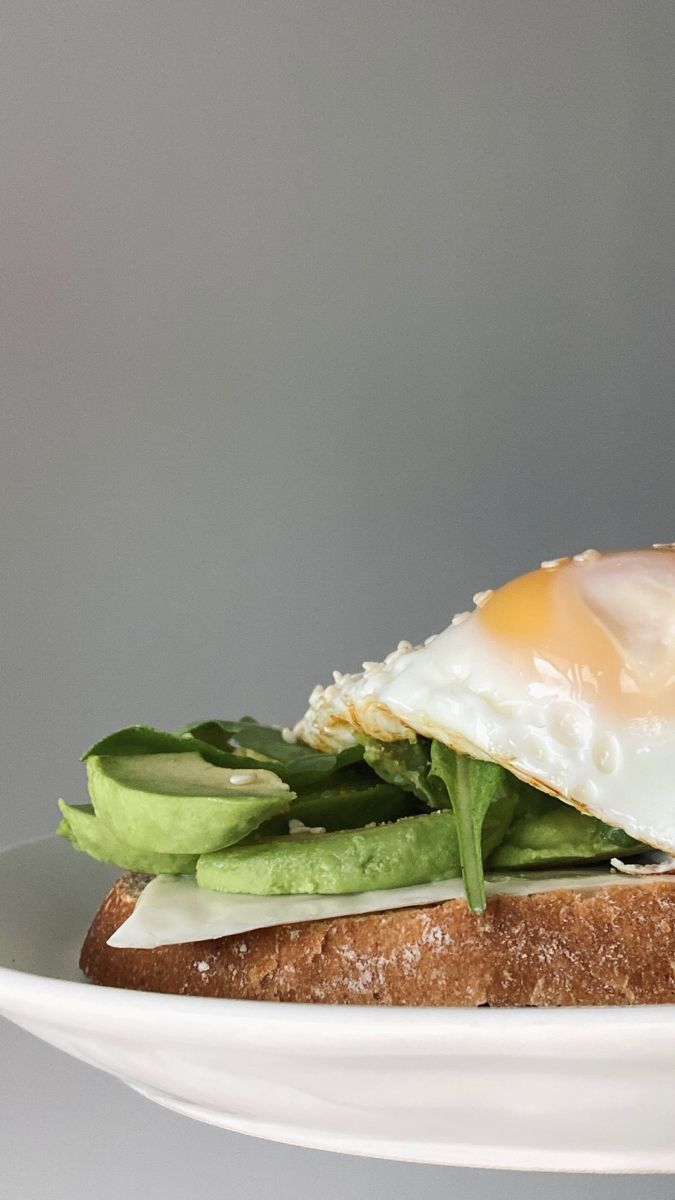
Minimalist Aesthetic Food Platter
Minimalist Aesthetic Food Platter turns simple ingredients into a calm, photo-ready spread with balanced color, texture, and negative space.
🧂 Ingredients
- 6 large eggs (about 300g), room temperature
- 1 lb (450g) baby gold potatoes, halved
- 2 tbsp (30ml) olive oil, plus more for drizzling
- 1 cup (240g) plain whole-milk Greek yogurt
- 1 tbsp (15ml) fresh lemon juice
- 1 tsp flaky sea salt, plus more to finish
- 1/2 tsp freshly cracked black pepper
- 2 tbsp (8g) fresh dill or chives, finely chopped
- 1 avocado, halved and sliced
- 1 tbsp (15ml) toasted sesame seeds
📋 Instructions
- 1Boil The Eggs — Place the eggs in a single layer in a saucepan and cover with cold water by 1 inch. Bring to a rolling boil over high heat, then cut the heat to low and simmer for exactly 9 minutes at 96C (205F) for a set white and a slightly soft yolk. Transfer immediately to an ice bath for 5 minutes, then peel under cool running water.
- 2Roast The Potatoes — Heat the oven to 425F (220C). Toss the halved potatoes with 2 tbsp olive oil, 1/2 tsp salt, and the black pepper, then spread them cut-side down on a sheet pan with space between each piece. Roast for 22 to 25 minutes until the cut faces are deep golden brown and a knife slides in with no resistance.
- 3Whisk The Yogurt Base — Stir the Greek yogurt with the lemon juice and a pinch of salt until it is smooth and glossy, about 30 seconds. If it looks thick or lumpy, add water 1 tsp at a time until it spreads easily but still holds a soft ridge.
- 4Toast The Sesame — Warm a dry skillet over medium heat and add the sesame seeds in a single layer. Toast for 2 to 3 minutes, shaking the pan, until they turn light tan and smell nutty. Pour them onto a cool plate immediately so they stop cooking.
- 5Slice And Chill The Avocado — Halve the avocado, remove the pit, and slice each half into 1/4-inch planks without cutting through the skin, then scoop with a spoon. Squeeze a few drops of lemon over the slices and hold them in the fridge until the final minute.
- 6Build The Zones — Spread the yogurt sauce in a wide, low swoosh on one third of a large matte plate. Arrange the potatoes in a tight cluster beside it, then the halved eggs in a third zone, leaving the remaining space empty. Keep at least a finger-width of bare plate between each zone.
- 7Finish And Photograph — Scatter the herbs over the yogurt, add the avocado planks, and finish with flaky salt and toasted sesame. Place your light source to one side, shoot from a slight angle, then serve within 20 minutes. Stay safe, stay informed.

Jonas writes about technology and digital privacy, translating complex concepts into clear, actionable advice for everyday users. He focuses on practical steps to protect personal data without being paranoid.