
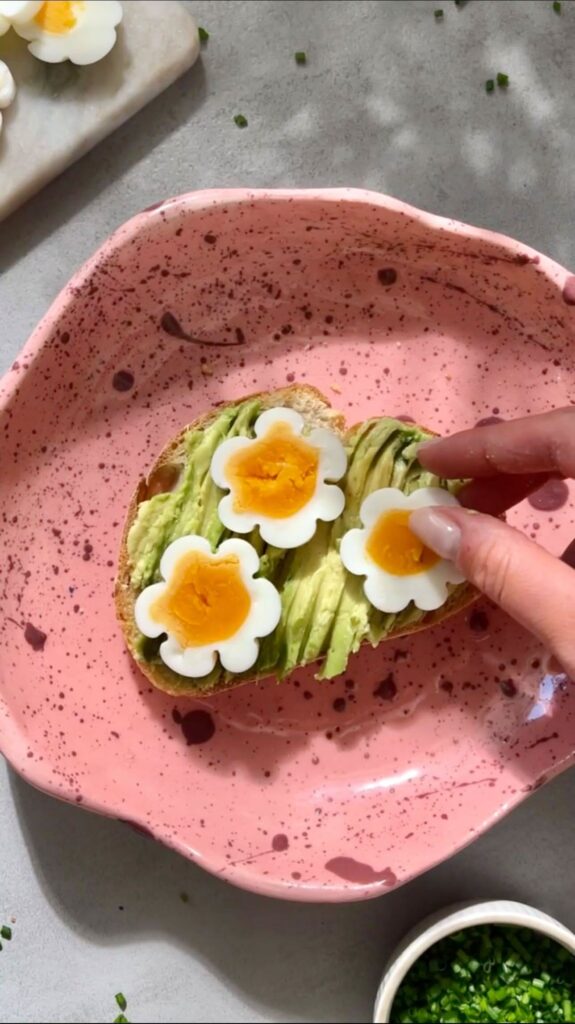
In the small village where my grandmother lived, Easter mornings smelled of fresh bread and simmering eggs. We'd gather wildflowers from the meadow – daisies, pansies, parsley leaves – and press them onto eggshells before boiling. The result was a basket of edible art, each egg a tiny canvas of spring.
Advertisements1
This recipe brings back that tradition with a simple technique: wrap eggs in onion skins or tea bags, arrange flowers, and boil. The natural dyes create soft, botanical prints. It's a lovely project to do with kids, and the eggs taste wonderfully savory from the spices in the water.
For best results, use white eggs – they show the patterns clearly. The onion skins give a warm golden hue, while hibiscus or red cabbage produce pink and blue tones. Experiment with different leaves and petals to create your own Easter garden.
Why You'll Love This Recipe
About the Ingredients
6 large white eggs
White eggs show the flower prints best. Brown eggs work too but the colors will be muted. Use organic eggs for the freshest taste.
1 large onion, skin only (about 1/2 cup)
Yellow or red onion skins give a golden-orange dye. Save skins from a few onions to have enough. If short, use black tea bags.
3 black tea bags
Adds extra tannins for a deeper color. You can use any black tea – Earl Grey or English Breakfast work fine.
2 tablespoons white vinegar
Helps the dye adhere to the eggshell. Apple cider vinegar also works.
1 teaspoon salt
Seasoning for the eggs. Use fine sea salt for even distribution.
1/2 teaspoon black peppercorns
Adds a subtle spicy note. You can skip if you prefer plain eggs.
1 bay leaf
Adds an herby aroma. Optional but nice.
Fresh edible flowers and leaves (pansies, daisies, parsley, cilantro)
Make sure they are pesticide-free. If you can't find edible flowers, use small leaves like spinach or mint.
1 pair of clean pantyhose or cheesecloth, cut into squares
To hold the flowers against the egg. You can also use a thin cotton cloth.
Tips & Tricks
- Press flowers firmly against the egg before wrapping to avoid air bubbles that cause pale spots.
- Use room-temperature eggs to prevent cracking during boiling.
- Simmer gently, not a rolling boil, to keep the shells intact and the prints sharp.
- After boiling, let eggs sit in the dye water for at least 2 hours for deeper color.
Pro Tips
Step-by-Step Instructions
1. Prep the flowers
Gently rinse the flowers and leaves, then pat dry. Pick small, flat pieces that will lie flush against the egg.
2. Wrap the eggs
Place a flower on the egg, then wrap a square of pantyhose tightly around it, securing the ends with a twist tie or string. Make sure the flower doesn't shift.
3. Make the dye bath
In a large pot, combine onion skins, tea bags, vinegar, salt, peppercorns, bay leaf, and 6 cups (1.4 liters) of water. Bring to a boil over medium-high heat, then reduce to a simmer for 10 minutes to extract color.
4. Add the eggs
Carefully lower the wrapped eggs into the simmering dye. Ensure they are fully submerged; add water if needed.
5. Simmer the eggs
Simmer gently at 180°F (82°C) for 12 minutes for hard-boiled eggs. The water should be steaming, not bubbling rapidly. You'll see the shells gradually take on color.
6. Cool and steep
Remove the pot from heat and let the eggs sit in the dye for another 30 minutes to intensify the pattern. Then transfer to a bowl of ice water for 5 minutes to stop cooking.
7. Unwrap and dry
Once cool, carefully remove the pantyhose and flowers. Rinse the eggs under cold water to remove any residue. Pat dry with a paper towel.
8. Serve or store
Enjoy immediately or refrigerate for up to a week. For a shiny finish, rub with a little oil.
Delicious Variations
Blue Easter Eggs
Use 2 cups (200g) chopped red cabbage instead of onion skins, and increase vinegar to 3 tablespoons for a blue hue.
Pink Blossom Eggs
Add 1 tablespoon of hibiscus tea to the dye bath for a rosy pink color.
Golden Spice Eggs
Toss in 1 teaspoon turmeric for a bright yellow background – perfect for spring.
How to Store Oster-Eier im Blumenmantel
Refrigerator
Store in the fridge in a covered container for up to 7 days. Keep them in the shell to preserve freshness.
Freezer
Not recommended – freezing hard-boiled eggs makes them rubbery.
Reheating
Serve chilled or at room temperature. If you prefer warm eggs, place them in hot water for 5 minutes, but avoid microwaving as they may explode.
Frequently Asked Questions
Q: How do I keep the flower pattern from smudging?
The pattern stays if you ensure the flower is flat against the egg and the fabric is tight. Also, avoid moving the eggs while they steep in the dye.
Q: Can I eat the eggs after dyeing them?
Yes, they are completely safe to eat as long as you use edible flowers and food-safe dyes. All ingredients are natural and edible.
Q: Why did my eggs crack during boiling?
Cracking happens when eggs are cold and placed in hot water. Let them come to room temperature first, and simmer gently instead of boiling hard.
Q: How long do the colors last?
The colors will remain vivid for about a week when stored in the fridge. Over time, they may fade slightly, but the pattern will stay visible.
Try this recipe for a fun Easter activity with your family, and share your beautiful egg creations in the comments below!
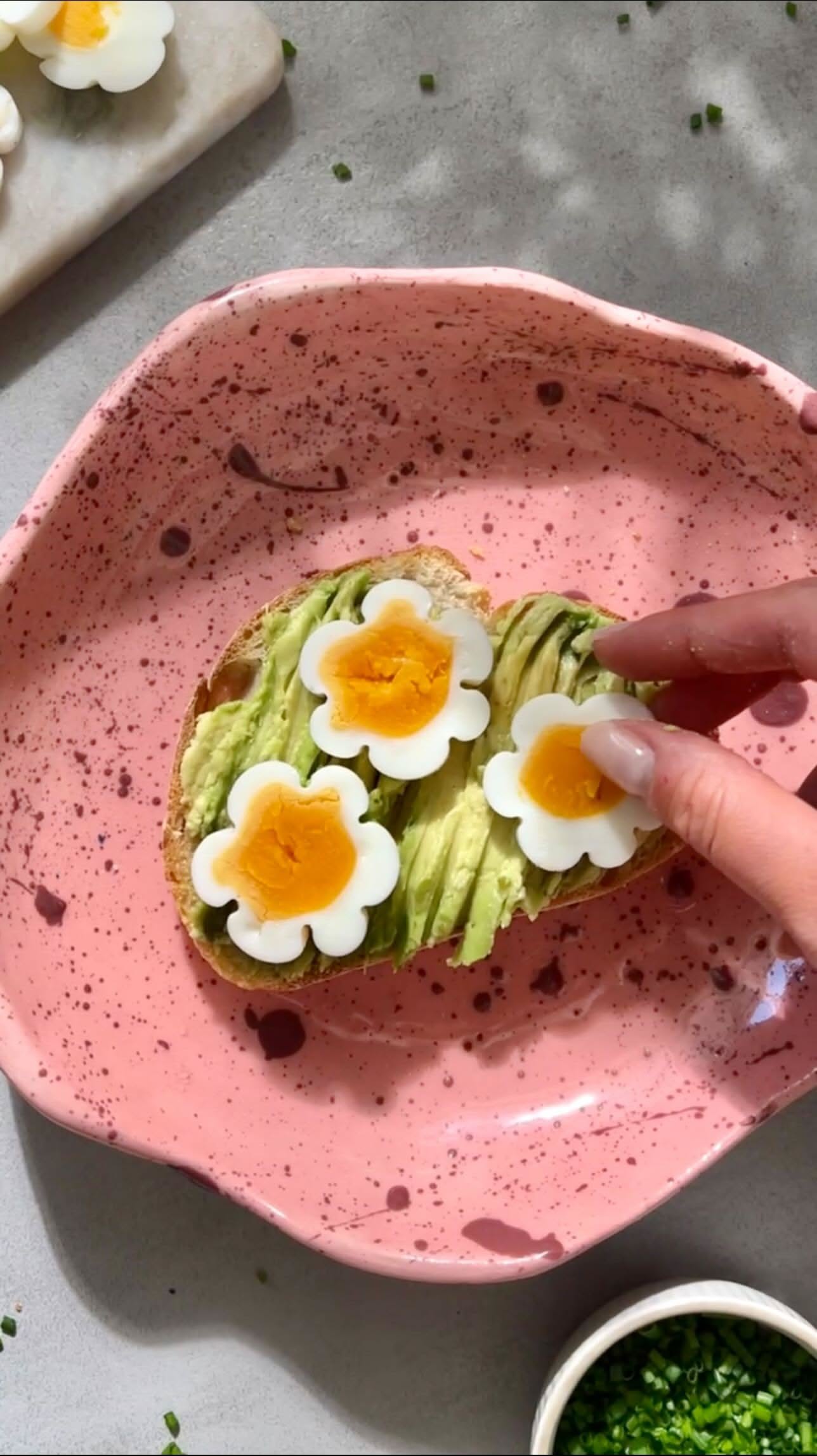
Oster-Eier im Blumenmantel
Oster-Eier im Blumenmantel: pretty patterned eggs for Easter, easy to make with edible flowers. Perfect for brunch or egg hunt.
🧂 Ingredients
- 6 large white eggs
- 1 large onion, skin only (about 1/2 cup)
- 3 black tea bags
- 2 tablespoons white vinegar
- 1 teaspoon salt
- 1/2 teaspoon black peppercorns
- 1 bay leaf
- Fresh edible flowers and leaves (pansies, daisies, parsley, cilantro)
- 1 pair of clean pantyhose or cheesecloth, cut into squares
📋 Instructions
- 1Prep the flowers — Gently rinse the flowers and leaves, then pat dry. Pick small, flat pieces that will lie flush against the egg.
- 2Wrap the eggs — Place a flower on the egg, then wrap a square of pantyhose tightly around it, securing the ends with a twist tie or string. Make sure the flower doesn't shift.
- 3Make the dye bath — In a large pot, combine onion skins, tea bags, vinegar, salt, peppercorns, bay leaf, and 6 cups (1.4 liters) of water. Bring to a boil over medium-high heat, then reduce to a simmer for 10 minutes to extract color.
- 4Add the eggs — Carefully lower the wrapped eggs into the simmering dye. Ensure they are fully submerged; add water if needed.
- 5Simmer the eggs — Simmer gently at 180°F (82°C) for 12 minutes for hard-boiled eggs. The water should be steaming, not bubbling rapidly. You'll see the shells gradually take on color.
- 6Cool and steep — Remove the pot from heat and let the eggs sit in the dye for another 30 minutes to intensify the pattern. Then transfer to a bowl of ice water for 5 minutes to stop cooking.
- 7Unwrap and dry — Once cool, carefully remove the pantyhose and flowers. Rinse the eggs under cold water to remove any residue. Pat dry with a paper towel.
- 8Serve or store — Enjoy immediately or refrigerate for up to a week. For a shiny finish, rub with a little oil.

Elena writes about travel and cultural immersion, focusing on off-the-beaten-path destinations and authentic experiences. She shares practical advice for budget-conscious travelers who want to connect with local communities.