
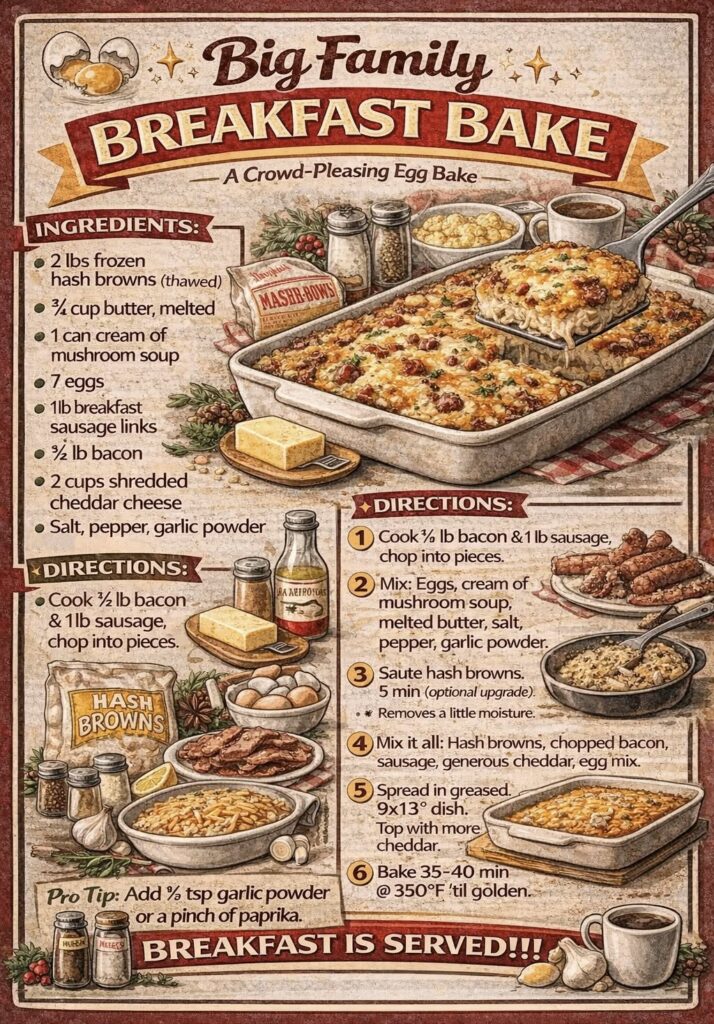
Pinterest Image is the working name I give to a focaccia that looks as good as it tastes: a golden, dimpled top, a glossy olive-oil sheen, and a crumb that springs back when you press it. The point of this recipe is repeatability. You get a dough that behaves the same way every time, so your photos and your dinner both come out right.
Advertisements1
Focaccia is a high-hydration flatbread, which simply means the dough has more water than a standard bread dough. That extra water is what creates the open, airy holes and the soft interior. The trade-off is a stickier dough, so I walk you through the handling step by step and flag the two places where most people go wrong.
You do not need a stand mixer, though it helps. You need a scale, a rimmed sheet pan, and about 50 minutes of mostly hands-off time. Everything else is pantry staples.
Why You'll Love This Recipe
About the Ingredients
4 cups (500g) bread flour
Bread flour has more protein, which builds the chew. If you only have all-purpose flour, use 4 cups (480g) and add 2 tablespoons of vital wheat gluten.
2 teaspoons (6g) instant yeast
Instant yeast goes straight into the flour with no proofing. Active dry works too, but dissolve it in the warm water first and add 5 minutes to the rise.
1 3/4 cups (415g) warm water, 100-110F (38-43C)
Warm, not hot. Above 120F (49C) you start killing yeast, so check with an instant-read thermometer the first few times.
2 teaspoons (12g) fine sea salt
Salt controls fermentation and flavor. Do not cut it below 1 1/2 teaspoons or the crumb tastes flat.
1/3 cup (70g) extra-virgin olive oil, divided
Use a fruity, cold-pressed oil here; it is a topping, not just a cooking fat. A cheaper refined oil tastes noticeably duller.
2 tablespoons fresh rosemary, chopped
Strip the leaves and chop just before using; dried rosemary is woody and needs to be crushed fine.
1 teaspoon flaky sea salt
Flaky salt adds a crunch you can see. Kosher salt works, but use half the amount.
1/4 cup (30g) grated Parmesan
Freshly grated melts into the crust. Pre-shredded cheese is coated in starch and browns unevenly.
Tips & Tricks
Do not skip the oil pooling
Pour the olive oil into the pan before the dough, not after. This fries the bottom into a crisp, golden crust instead of a pale one.
Watch your water temperature
Yeast is alive. Water above 120F (49C) slows it down, and below 70F (21C) makes the rise crawl. Aim for 100-110F (38-43C).
Dimple with wet fingers
Dry fingers stick and tear the dough. Dip them in water or oil, then press straight down to the pan without dragging.
Pro Tips
Step-by-Step Instructions
1. Mix the dry ingredients
Whisk the bread flour, instant yeast, and fine sea salt in a large bowl for 20 seconds. This distributes the yeast evenly so you do not get dense pockets.
2. Add water and first oil
Pour in the warm water and 2 tablespoons of the olive oil. Stir with a sturdy spoon until no dry flour remains, about 60 seconds. The dough will look shaggy and wet, which is correct.
3. Rest and fold
Cover the bowl and let it sit 20 minutes at room temperature, 68-72F (20-22C). Then wet your hand and fold the dough over itself four times, rotating the bowl a quarter turn each time.
4. First rise
Cover and let the dough rise at room temperature until doubled, about 60 to 90 minutes. It is ready when it looks domed and jiggles slightly when you shake the bowl.
5. Pan and dimple
Pour the remaining olive oil into a 13×18-inch rimmed sheet pan and tilt to coat. Transfer the dough, flip it once to coat both sides, and press it toward the corners. Let it relax 15 minutes, then dimple all over with wet fingertips.
6. Top and bake
Scatter the rosemary and Parmesan over the top and sprinkle with flaky salt. Bake at 425F (220C) on the lower rack for 22 to 25 minutes, until the edges are deep golden and the surface sounds hollow when tapped.
7. Cool and slice
Slide the focaccia onto a wire rack and cool 10 minutes. The internal temperature should read 200-205F (93-96C) at the center. Cut into 12 squares with a serrated knife.
Delicious Variations
Cherry Tomato and Oregano
Press halved cherry tomatoes cut-side up into the dimples before baking; they roast into sweet, jammy pockets.
Garlic and Asiago
Swap the Parmesan for aged Asiago and add 2 minced garlic cloves to the oil in the pan for a sharper, savorier crust.
Olive and Lemon Zest
Add 1/2 cup sliced Castelvetrano olives and the zest of one lemon on top; the brine and citrus cut through the oil.
How to Store Pinterest Image
Refrigerator
Wrap tightly in foil or a sealed bag and refrigerate up to 4 days. Rewarm before serving; cold focaccia is firm and loses its crunch.
Freezer
Cut into squares, wrap each in plastic, and freeze in a zip-top bag up to 2 months. Thaw at room temperature for 1 hour.
Reheating
Reheat at 350F (175C) for 6 to 8 minutes on a bare sheet pan. A microwave works in a pinch but softens the crust.
Frequently Asked Questions
Q: How long does focaccia stay fresh?
It is best the day it is baked, but it keeps 4 days refrigerated in a sealed bag. Reheat at 350F (175C) for 6 to 8 minutes to bring the crust back.
Mix the dough tonight, let it cold-ferment in the fridge, and you can have a warm, golden slab on the table tomorrow with almost no work. If you bake it, tell me how the crust came out. Stay safe, stay informed.
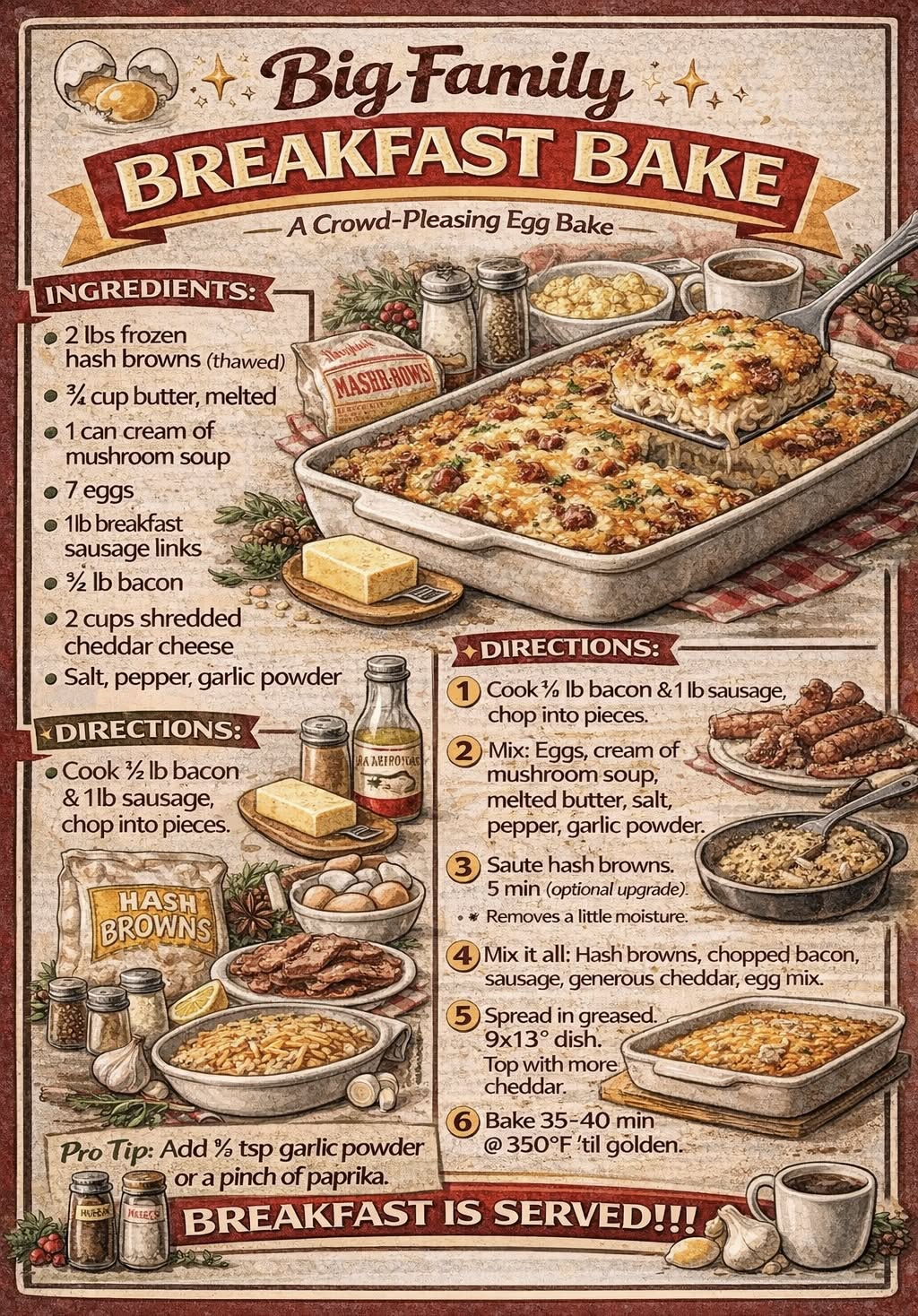
Pinterest Image
Pinterest Image is a crisp-edged, herb-topped focaccia built for food photos, with a soft crumb that stays fresh for days.
🧂 Ingredients
- 4 cups (500g) bread flour
- 2 teaspoons (6g) instant yeast
- 1 3/4 cups (415g) warm water, 100-110F (38-43C)
- 2 teaspoons (12g) fine sea salt
- 1/3 cup (70g) extra-virgin olive oil, divided
- 2 tablespoons fresh rosemary, chopped
- 1 teaspoon flaky sea salt
- 1/4 cup (30g) grated Parmesan
📋 Instructions
- 1Mix the dry ingredients — Whisk the bread flour, instant yeast, and fine sea salt in a large bowl for 20 seconds. This distributes the yeast evenly so you do not get dense pockets.
- 2Add water and first oil — Pour in the warm water and 2 tablespoons of the olive oil. Stir with a sturdy spoon until no dry flour remains, about 60 seconds. The dough will look shaggy and wet, which is correct.
- 3Rest and fold — Cover the bowl and let it sit 20 minutes at room temperature, 68-72F (20-22C). Then wet your hand and fold the dough over itself four times, rotating the bowl a quarter turn each time.
- 4First rise — Cover and let the dough rise at room temperature until doubled, about 60 to 90 minutes. It is ready when it looks domed and jiggles slightly when you shake the bowl.
- 5Pan and dimple — Pour the remaining olive oil into a 13×18-inch rimmed sheet pan and tilt to coat. Transfer the dough, flip it once to coat both sides, and press it toward the corners. Let it relax 15 minutes, then dimple all over with wet fingertips.
- 6Top and bake — Scatter the rosemary and Parmesan over the top and sprinkle with flaky salt. Bake at 425F (220C) on the lower rack for 22 to 25 minutes, until the edges are deep golden and the surface sounds hollow when tapped.
- 7Cool and slice — Slide the focaccia onto a wire rack and cool 10 minutes. The internal temperature should read 200-205F (93-96C) at the center. Cut into 12 squares with a serrated knife.

Jonas writes about technology and digital privacy, translating complex concepts into clear, actionable advice for everyday users. He focuses on practical steps to protect personal data without being paranoid.